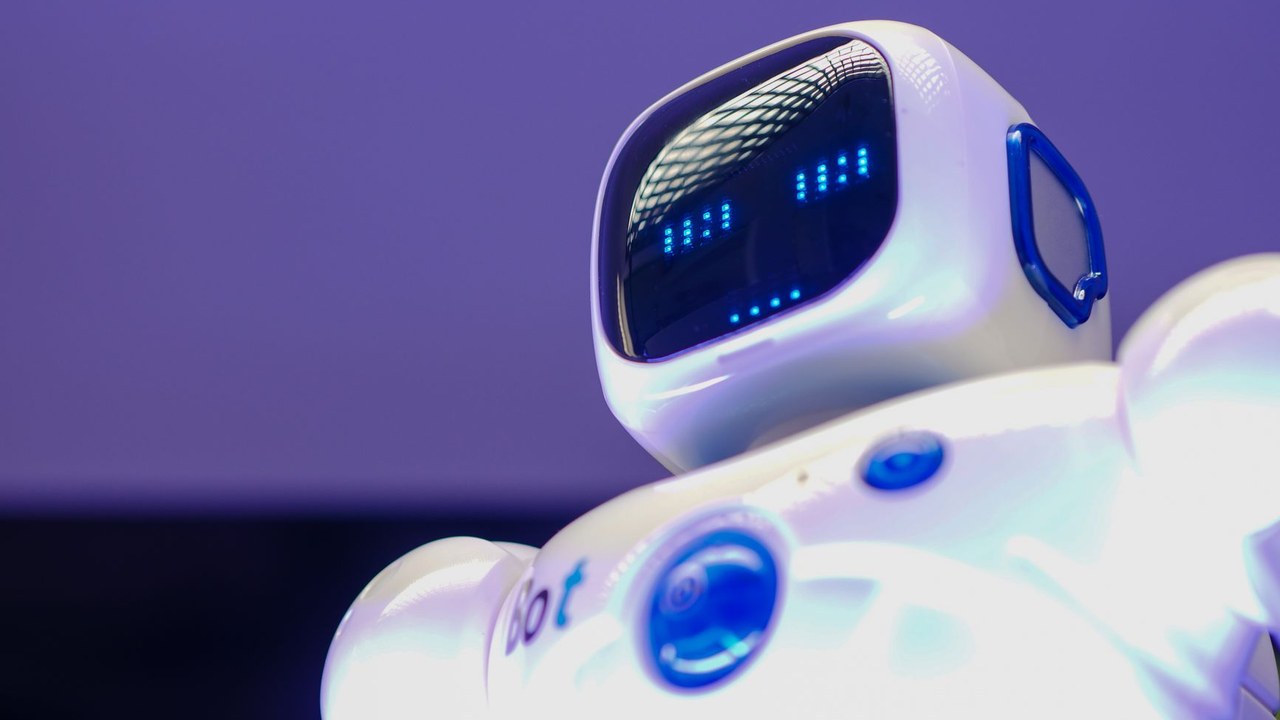
As businesses continue to embrace artificial intelligence and automation, the concept of autonomous AI agent workflows has become increasingly important. Autonomous AI agents are capable of performing tasks without human intervention, making them a crucial component of modern business operations. In this article, we will delve into the world of autonomous AI agent workflows, exploring their definition, benefits, and applications.
Introduction to Autonomous AI Agent Workflows
An autonomous AI agent workflow refers to a series of tasks performed by an artificial intelligence system without human intervention. These workflows are designed to automate business processes, improve efficiency, and reduce costs. Autonomous AI agents can be used in a variety of applications, including customer service, data analysis, and process automation. The use of autonomous AI agents has become increasingly popular in recent years, as businesses seek to improve their operations and stay competitive in a rapidly changing market.
Benefits of Autonomous AI Agent Workflows
The benefits of autonomous AI agent workflows are numerous. One of the primary advantages is increased efficiency. Autonomous AI agents can perform tasks much faster than humans, without the need for breaks or time off. This can lead to significant productivity gains and cost savings. Additionally, autonomous AI agents can work around the clock, without the need for human intervention. This makes them ideal for applications where continuous operation is required. Autonomous AI agents can also improve accuracy and reduce errors, as they are not prone to human mistakes.
Applications of Autonomous AI Agent Workflows
Autonomous AI agent workflows have a wide range of applications. One of the most common uses is in customer service. Autonomous AI agents can be used to provide customer support, answer frequently asked questions, and route complex issues to human representatives. Autonomous AI agents can also be used in data analysis, where they can process large amounts of data and provide insights and recommendations. Additionally, autonomous AI agents can be used in process automation, where they can automate repetitive tasks and improve workflow efficiency.
How Autonomous AI Agent Workflows Work
Autonomous AI agent workflows typically involve a series of steps. First, the AI agent is trained on a dataset, which allows it to learn and understand the tasks it needs to perform. Next, the AI agent is deployed and begins to perform the tasks, without human intervention. The AI agent can be programmed to make decisions and take actions, based on the data it has been trained on. Autonomous AI agents can also be integrated with other systems and applications, to provide a seamless and automated workflow.
Challenges and Limitations of Autonomous AI Agent Workflows
While autonomous AI agent workflows offer many benefits, there are also challenges and limitations to consider. One of the primary challenges is the need for high-quality training data. Autonomous AI agents require large amounts of data to learn and understand the tasks they need to perform. If the data is incomplete or inaccurate, the AI agent may not perform as expected. Additionally, autonomous AI agents can be vulnerable to bias and errors, if the data they are trained on is biased or incomplete. Furthermore, autonomous AI agents may require significant upfront investment, in terms of time and resources.
Future of Autonomous AI Agent Workflows
The future of autonomous AI agent workflows is exciting and rapidly evolving. As AI technology continues to advance, we can expect to see even more sophisticated and capable autonomous AI agents. One of the key areas of development is in the use of machine learning and deep learning algorithms, which can enable autonomous AI agents to learn and adapt in real-time. Additionally, the integration of autonomous AI agents with other technologies, such as blockchain and the Internet of Things (IoT), is expected to provide even more opportunities for automation and innovation.
Best Practices for Implementing Autonomous AI Agent Workflows
To get the most out of autonomous AI agent workflows, it's essential to follow best practices. First, it's crucial to define clear goals and objectives, and to ensure that the autonomous AI agent is aligned with the overall business strategy. Next, it's essential to select the right AI technology and tools, and to ensure that they are properly integrated with existing systems and applications. Additionally, it's vital to provide ongoing training and support, to ensure that the autonomous AI agent continues to perform optimally.
Common Use Cases for Autonomous AI Agent Workflows
There are many common use cases for autonomous AI agent workflows. Some of the most popular include customer service, where autonomous AI agents can provide support and answer frequently asked questions. Another common use case is in data analysis, where autonomous AI agents can process large amounts of data and provide insights and recommendations. Additionally, autonomous AI agents can be used in process automation, where they can automate repetitive tasks and improve workflow efficiency.
Real-World Examples of Autonomous AI Agent Workflows
There are many real-world examples of autonomous AI agent workflows in action. For example, companies like Amazon and Google are using autonomous AI agents to provide customer support and answer frequently asked questions. Additionally, companies like Netflix and Spotify are using autonomous AI agents to provide personalized recommendations and improve the user experience. Furthermore, companies like Walmart and UPS are using autonomous AI agents to automate logistics and supply chain management.
Conclusion
In conclusion, autonomous AI agent workflows are a powerful tool for businesses looking to improve their operations and stay competitive. By automating tasks and providing insights and recommendations, autonomous AI agents can help businesses to improve efficiency, reduce costs, and enhance the customer experience. As AI technology continues to evolve, we can expect to see even more sophisticated and capable autonomous AI agents, and a wider range of applications and use cases.
Frequently asked
What is an autonomous AI agent workflow?+
An autonomous AI agent workflow refers to a series of tasks performed by an artificial intelligence system without human intervention. These workflows are designed to automate business processes, improve efficiency, and reduce costs.
What are the benefits of autonomous AI agent workflows?+
The benefits of autonomous AI agent workflows include increased efficiency, improved accuracy, and reduced costs. Autonomous AI agents can perform tasks much faster than humans, without the need for breaks or time off, and can work around the clock without human intervention.
What are the applications of autonomous AI agent workflows?+
Autonomous AI agent workflows have a wide range of applications, including customer service, data analysis, and process automation. They can be used to provide customer support, answer frequently asked questions, and route complex issues to human representatives.
How do autonomous AI agent workflows work?+
Autonomous AI agent workflows typically involve a series of steps, including training the AI agent on a dataset, deploying the AI agent, and integrating it with other systems and applications. The AI agent can be programmed to make decisions and take actions, based on the data it has been trained on.
What are the challenges and limitations of autonomous AI agent workflows?+
The challenges and limitations of autonomous AI agent workflows include the need for high-quality training data, vulnerability to bias and errors, and significant upfront investment. Additionally, autonomous AI agents may require ongoing maintenance and support to ensure they continue to perform optimally.