
What Are the Risks of Poor AI Implementation Planning?
As artificial intelligence (AI) continues to revolutionize industries and transform business operations, the importance of careful planning and implementation cannot be overstated. Poor AI implementation planning can lead to significant financial losses, damage to reputation, and decreased competitiveness. In this article, we will delve into the risks associated with poor AI implementation planning and provide insights on how to mitigate them.
The integration of AI into business operations is a complex process that requires thorough planning, careful consideration of potential risks, and a deep understanding of the organization's goals and objectives. AI implementation planning is a critical step in this process, as it sets the stage for the successful integration of AI technologies. A well-planned AI implementation strategy can help organizations to maximize the benefits of AI, minimize risks, and achieve their desired outcomes.
Introduction to AI Implementation Planning
AI implementation planning involves a range of activities, including needs assessment, requirements gathering, solution design, and implementation roadmapping. It requires a thorough understanding of the organization's current state, its future goals, and the role that AI can play in achieving those goals. A good AI implementation plan should take into account the organization's technological infrastructure, data assets, and human resources, as well as its budgetary constraints and risk tolerance.
Key Considerations for AI Implementation Planning
When developing an AI implementation plan, organizations should consider a range of factors, including the type of AI technology to be used, the scope of the implementation, and the timeline for completion. They should also consider the potential risks associated with AI implementation, such as data privacy concerns, cybersecurity threats, and job displacement. Additionally, organizations should think about the governance structures that will be needed to oversee the implementation of AI, as well as the training and development programs that will be required to ensure that employees have the necessary skills to work with AI technologies.
Risks of Poor AI Implementation Planning
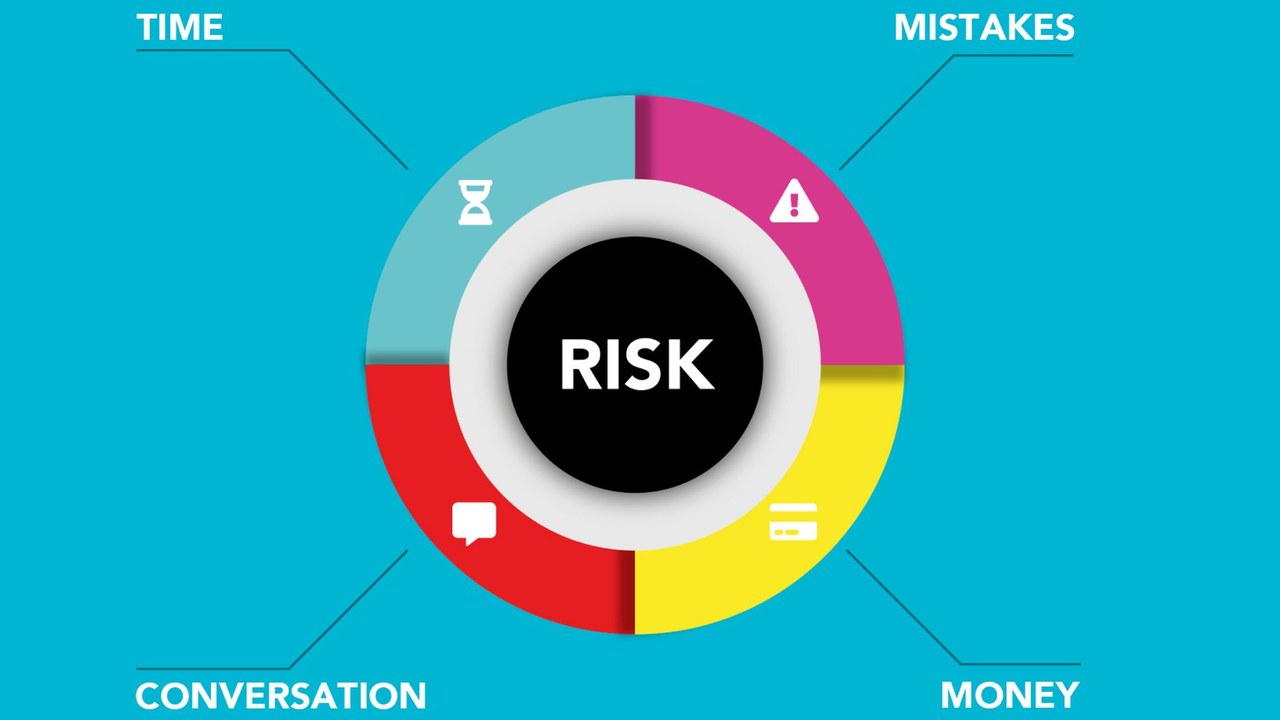
Poor AI implementation planning can have significant consequences for organizations, including financial losses, reputational damage, and decreased competitiveness. Some of the most common risks associated with poor AI implementation planning include:
- Insufficient data quality, which can lead to inaccurate or biased AI models
- Inadequate cybersecurity measures, which can leave AI systems vulnerable to attack
- Poor user experience, which can lead to low adoption rates and decreased productivity
- Lack of transparency and accountability, which can erode trust in AI systems and lead to regulatory issues
- Inability to scale, which can limit the potential benefits of AI and lead to wasted investment
Mitigating the Risks of Poor AI Implementation Planning
To mitigate the risks associated with poor AI implementation planning, organizations should take a structured and disciplined approach to AI implementation. This involves developing a clear understanding of the organization's goals and objectives, assessing the potential risks and benefits of AI, and developing a comprehensive plan for AI implementation. Organizations should also establish strong governance structures, invest in employee training and development, and monitor and evaluate the performance of AI systems on an ongoing basis.
Best Practices for AI Implementation Planning
Some best practices for AI implementation planning include:
- Start small, with a pilot project or proof of concept, to test the waters and develop a deeper understanding of AI technologies
- Develop a clear business case, that outlines the potential benefits and risks of AI implementation
- Establish a cross-functional team, that includes representatives from IT, business, and operations, to ensure that all aspects of AI implementation are considered
- Invest in data quality and governance, to ensure that AI systems have access to high-quality data and that data privacy and security are protected
- Monitor and evaluate, the performance of AI systems, to identify areas for improvement and optimize their performance over time

Conclusion
In conclusion, poor AI implementation planning can have significant consequences for organizations, including financial losses, reputational damage, and decreased competitiveness. To mitigate these risks, organizations should take a structured and disciplined approach to AI implementation, develop a clear understanding of their goals and objectives, assess the potential risks and benefits of AI, and establish strong governance structures. By following these best practices, organizations can maximize the benefits of AI, minimize risks, and achieve their desired outcomes.
Frequently asked
What are the most common risks associated with poor AI implementation planning?+
The most common risks associated with poor AI implementation planning include insufficient data quality, inadequate cybersecurity measures, poor user experience, lack of transparency and accountability, and inability to scale.
How can organizations mitigate the risks of poor AI implementation planning?+
To mitigate the risks of poor AI implementation planning, organizations should take a structured and disciplined approach to AI implementation, develop a clear understanding of their goals and objectives, assess the potential risks and benefits of AI, and establish strong governance structures.
What are some best practices for AI implementation planning?+
Some best practices for AI implementation planning include starting small, developing a clear business case, establishing a cross-functional team, investing in data quality and governance, and monitoring and evaluating the performance of AI systems.
Why is it important to establish strong governance structures for AI implementation?+
Establishing strong governance structures for AI implementation is important because it ensures that AI systems are used responsibly, that data privacy and security are protected, and that the organization is able to maximize the benefits of AI while minimizing risks.
How can organizations ensure that their AI systems are transparent and accountable?+
To ensure that their AI systems are transparent and accountable, organizations should establish clear guidelines and protocols for AI development and deployment, provide regular updates and reporting on AI system performance, and establish mechanisms for feedback and redress.