What are the top biohacking trends in wearable technology?
The top biohacking trends in wearable technology right now are continuous glucose monitors (CGMs) for non-diabetic users, multi-sensor smart rings, heart-rate variability (HRV) and recovery scoring, AI-powered sleep coaching, and emerging non-invasive blood biomarker patches. The trajectory is clear: wearables are moving from passive data collection to closed-loop, personalized feedback that shapes day-to-day decisions.
1. CGMs go mainstream - beyond diabetes
Continuous glucose monitors used to be diabetes-only. In 2026, brands like Levels, Lingo, and Stelo sell them directly to consumers who want to see real-time glucose responses to food, exercise, stress, and sleep.
- Why it matters: glucose stability is a leading indicator of metabolic health and energy.
- What's new: 14-day patches with smartphone integration, AI-generated meal feedback, and integration into the broader health graph.
2. Smart rings move past step-counting
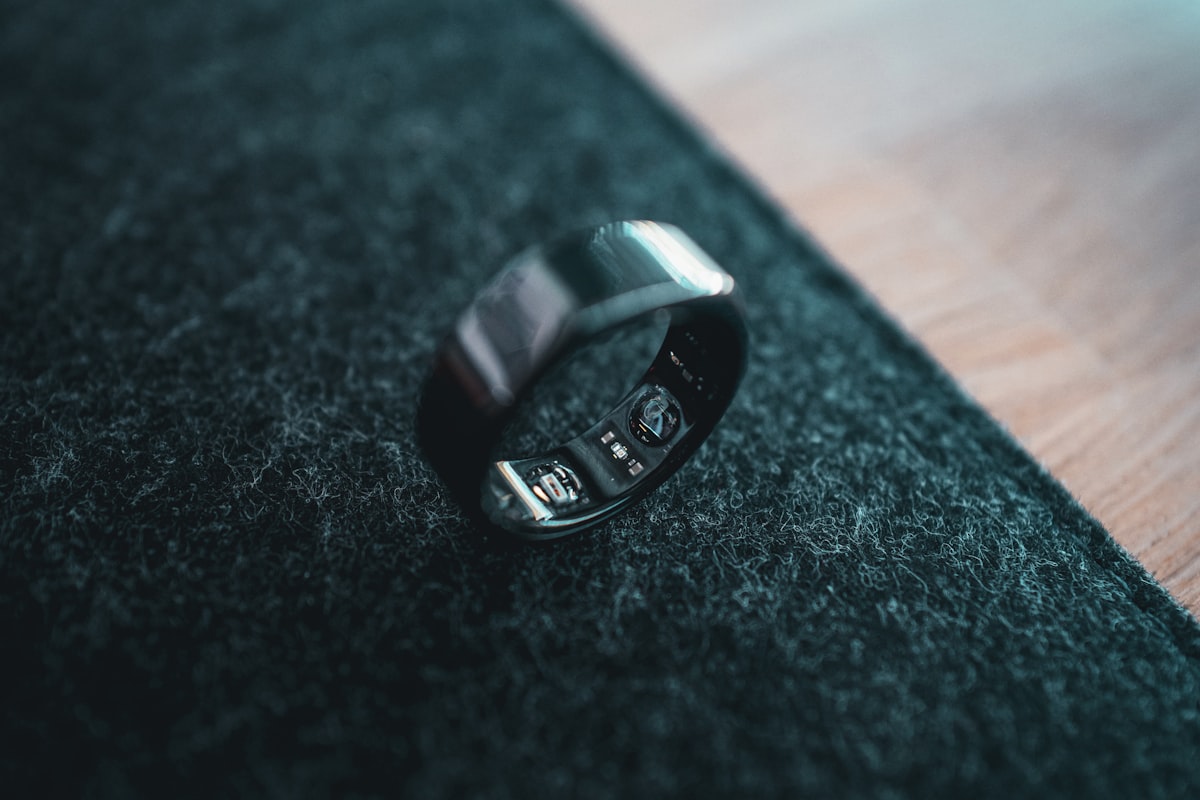
Oura, Ultrahuman, RingConn, and Samsung's Galaxy Ring have shifted attention away from wrist wearables.
- Why: rings sit closer to the artery (better signal quality), are more comfortable to sleep in, and stay out of the way during workouts.
- Sensors now standard: SpO2, skin temperature, HRV, pulse waveform, sleep staging.
- The trend is toward 4–5 sensors per device with battery life over a week.
3. HRV and recovery scoring as the new standard
Whoop, Garmin, Oura, and Apple now all show a recovery score derived primarily from HRV, resting heart rate, and sleep quality.
- Why biohackers care: HRV is a non-invasive proxy for autonomic nervous system status and training readiness.
- What's emerging: dynamic strain targets that adapt to current recovery rather than fixed weekly mileage.
For the research-curious, communities tracking recovery often experiment with sleep optimization, targeted supplementation, and compounds from the peptide research space; suppliers such as NuScience Peptides cater to that segment with research-grade material.
4. AI-powered sleep coaching
Sleep tracking has been solved at the raw-data level. The 2026 trend is interpretation.
- What's new: large-language-model sleep coaches that explain why deep sleep dropped and suggest specific changes (light exposure, caffeine cutoff, dinner timing).
- Players to watch: Oura Advisor, Whoop Coach, Eight Sleep's Pod 4 software.
- Where it is going: closed-loop coaching that also nudges your wearable's reminders during the day.
5. The next frontier - non-invasive blood biomarker sensors
The Holy Grail in wearables is needle-free measurement of biomarkers beyond glucose: lactate, cortisol, ketones, hydration markers.
- Status in 2026: early commercial products from Movano, Afon, and a number of stealth startups.
- Limitation: accuracy still trails CGMs; the regulatory pathway is unclear.
- Why it matters: when this works, the wearable becomes a continuous metabolic dashboard.
How biohackers are using these tools together
The hardware stack is converging on roughly three devices: a ring or wrist for HRV/sleep/strain, a CGM for metabolism, and a smart scale for body composition. The software stack, increasingly AI-driven - pulls all three into one timeline so the user can see how one variable (sleep, training, supplements, food) ripples through the others.
Frequently asked
What is the most popular biohacking wearable in 2026?+
Smart rings, particularly the Oura Ring 4 and Ultrahuman Ring Air lead consumer biohacking adoption, while Whoop dominates the athletic-recovery segment.
Are biohacking wearables medically accurate?+
For trends and patterns, yes. For absolute medical-grade readings, most consumer wearables still trail clinical devices, especially for blood pressure and SpO2 at the extremes.
Do you need multiple wearables to biohack effectively?+
No. Most experienced biohackers settle on two devices one for sleep and HRV, one for metabolism and use AI dashboards to integrate the data.